Contact
Contact us
Every organization is different, and we at Offimac understand that all too well. Do you have questions or are you curious about what we can do for you? Let us know. We are happy to think along with you.


The success of new software depends entirely on the way it is implemented. It is vital to work in a professional and structured manner to avoid chaos, unnecessary costs, and operational interruptions.
A professional approach begins with an accurate analysis of current business processes. What functions does the organization really need? By focusing on this, you avoid paying for unused modules and ensure optimal alignment between the software and your rental workflow.
Structured working means that you appoint a clear project leader and create a detailed implementation plan. This plan includes realistic milestones, a phasing of the rollout (for example, a pilot group first), and a clear data migration protocol. Careless data migration can lead to errors in contracts or inventory information, damaging your reputation.
In addition, a structured rollout requires thorough documentation and training. Professionals ensure that each team member understands how the software affects their daily tasks. This reduces resistance, increases productivity and maximizes the Return on Investment (ROI) of your new system.
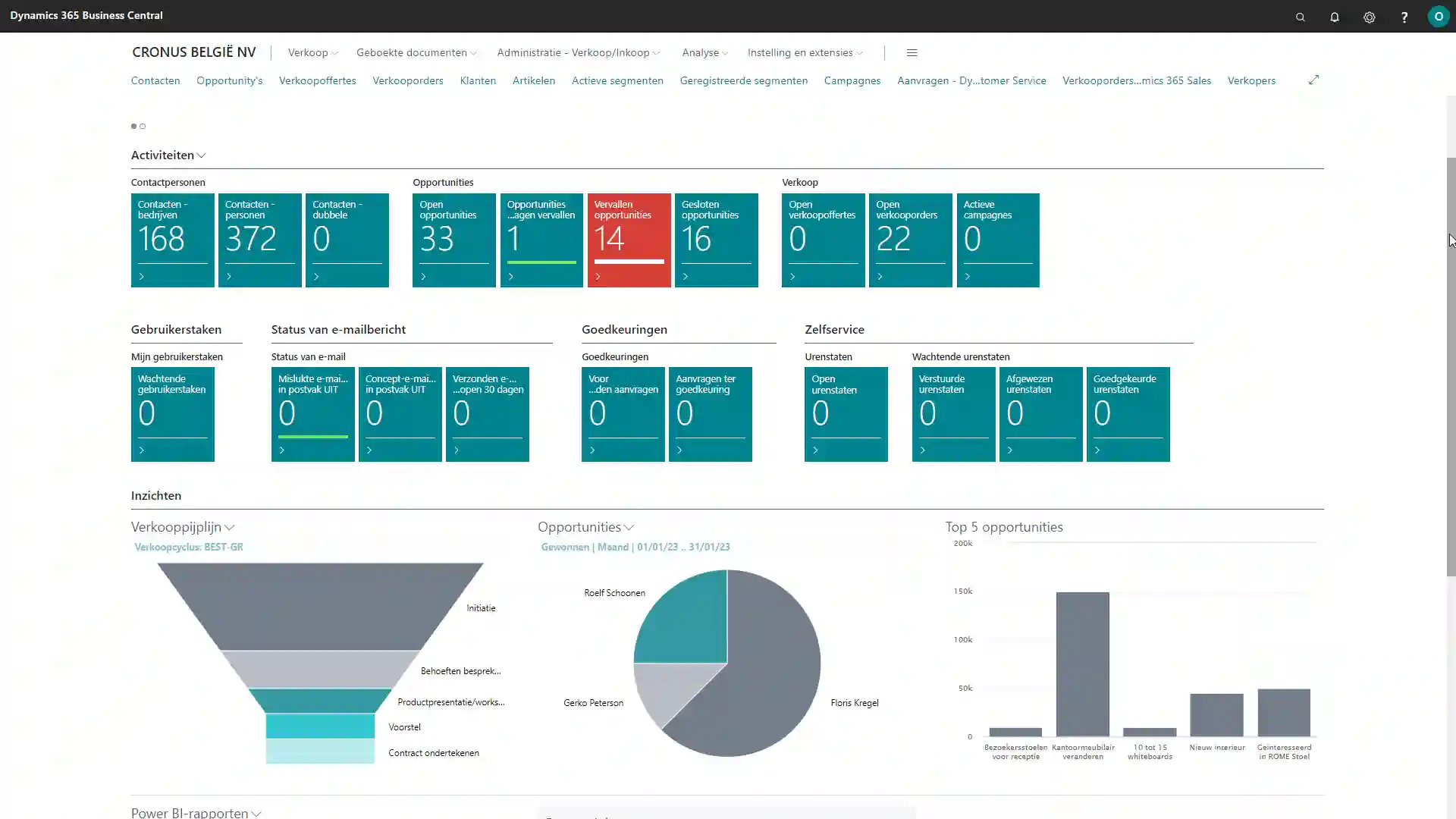

The implementation of software is one of the most important steps in the growth of a rental company. However, like any strategic project, it can go wrong if you start unprepared, or if you do not approach it correctly or in a structured way.
Below we are happy to provide 8 very concrete and concise steps for successful implementation.
Every department is covered:
Goal: Identify problems, delays and inefficiencies.
This is crucial:
Delete:
Example:
Rental software is set up based on your processes, not the other way around.
Not just planners. Also:
Training = success.
Minimum 2-4 weeks
The first few weeks are intensive. Guidance ensures that errors are resolved quickly.
After going live:
The implementation of rental software is one of the most important steps in the growth of a rental company. However, like any strategic project, it can go wrong if you start unprepared.
A structured and professional approach is not a luxury, but a necessity if the promised efficiency and control are to actually be realized.
[1] Project Management Institute (PMI). The Project Management Body of Knowledge (PMBOK Guide): Implementation Phase. [2] Gartner. Best Practices for Cloud ERP/Software Selection and Vendor Management. [3] McKinsey & Company. Driving Digital Adoption: The Importance of Change Management and User Training. [4] European Rental Association (ERA). Checklist for Successful Digital Transformation in the Equipment Rental Sector. [5] Academic Research. Critical Success Factors in Enterprise Resource Planning (ERP) System Implementation. [6] Deloitte Consulting. Methodology for Effective Data Migration and System Integration. [7] Harvard Business Review (HBR). Leading Complex Organizational Change: Communication and Stakeholder Alignment. [8] Software Industry Report. Phased vs. Big Bang Implementation: Risk Assessment and Strategy. [9] BCG (Boston Consulting Group). Ensuring Business Process Re-engineering (BPR) Precedes Software Rollout. [10] IT Audit Guide. Guidelines for Post-Implementation Review and System Optimization. [11] Industry Best Practice. The Necessity of Dedicated Internal Project Leadership and Governance.

Contact
Every organization is different, and we at Offimac understand that all too well. Do you have questions or are you curious about what we can do for you? Let us know. We are happy to think along with you.


