Contact
Contact us
Every organization is different, and we at Offimac understand that all too well. Do you have questions or are you curious about what we can do for you? Let us know. We are happy to think along with you.


The rental industry is changing faster than ever. Where companies used to work with paper receipts, loose documents and Excel files, the market is now moving to a fully digital, connected environment. Customers expect real-time availability, employees want to work mobile, and companies want greater insight into costs, scheduling and profitability.
Digitization is no longer “something to do someday.” It is a prerequisite to remain efficient and competitive. In this comprehensive article, we show the 7 major digitization trends that will transform rental companies towards 2030. Each trend is complemented with concrete examples, impact on business processes and the role of modern rental software.
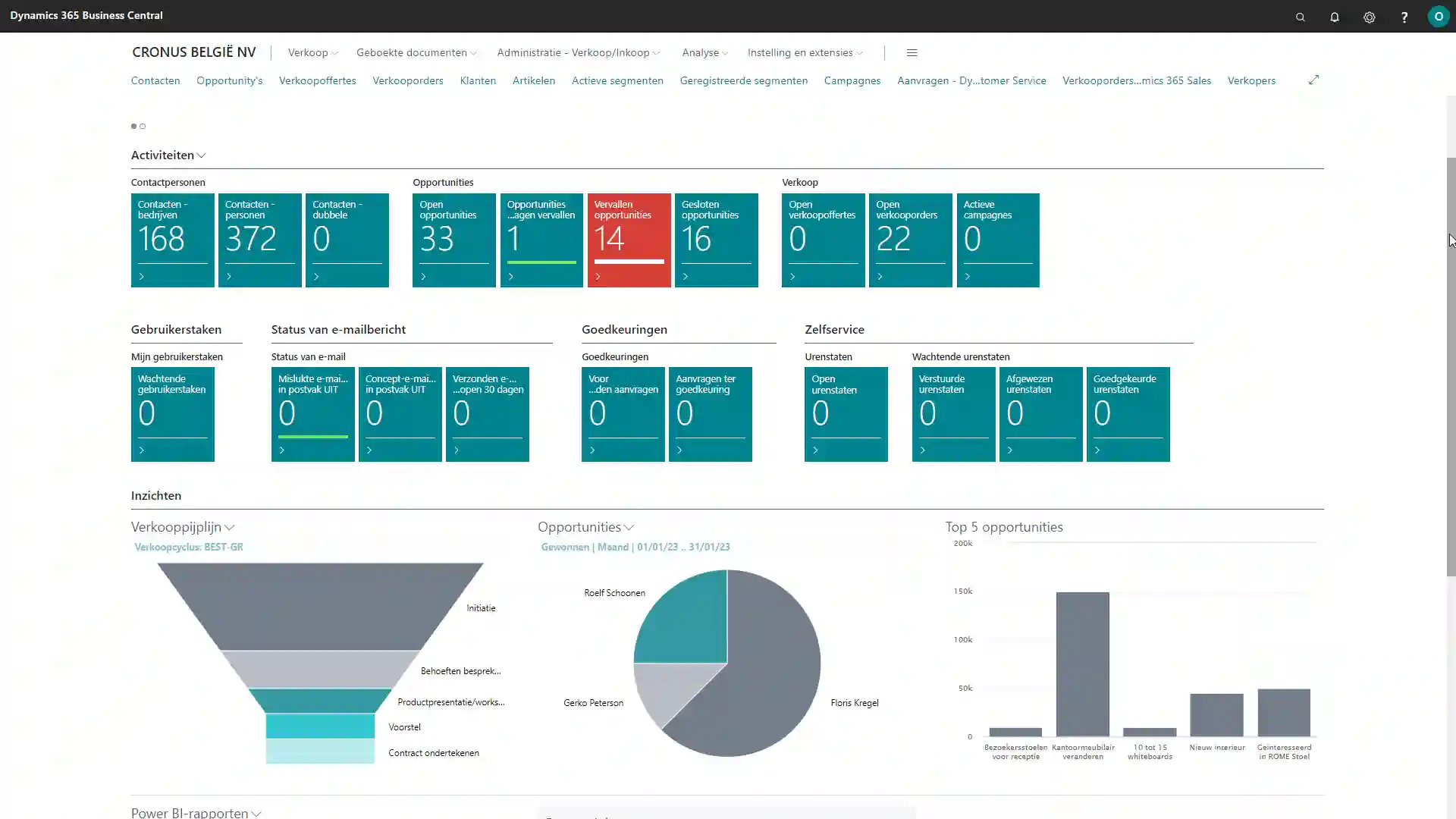

Many rental companies still operate piecemeal:
This creates errors, duplicate input and a lack of overview. And you don’t want that. With lost efficiency and money on top of that.
End-to-end automation brings everything together:
Advantages:
Consumers sometimes use Uber, Coolblue or Bol.com on a daily basis. As a result, they also expect in B2B sectors:
Rental companies that offer this gain market share. Companies that don’t do it lose deals.
Planning is one of the most complex processes in hiring. AI helps by:
AI does not make a planner disappear – it strengthens it.
Equipment gets smarter via:
Advantages:
Many rental companies have data, but don’t use it. Modern software shows:
Decisions become faster and better.
Cloud is no longer an option. It is necessary for:
Rental companies no longer want 10 separate packages. Everything has to be connected:
Open APIs allow systems to talk to each other.
Digitization is not hype but evolution. Rental companies that invest in modern systems now are building a scalable, efficient and profitable future. And they will reap the benefits.
[1] McKinsey & Company. Future of Equipment Rental: A Decade of Digital Transformation. [2] European Rental Association (ERA). Vision 2030: Digitalization, Sustainability, and the Rental Business Model. [3] Gartner. Top Strategic Technology Trends for 2025 and Beyond: Implications for Asset-Intensive Industries. [4] Academic Research. The Evolution of the Servitization Model in the Construction and Industrial Rental Sector. [5] Forrester Research. Predicting the Digital Customer Experience in B2B Services (2025-2030). [6] Journal of Supply Chain Management. The Impact of Blockchain and Decentralization on Asset Ownership and Tracking. [7] Harvard Business Review (HBR). Platform Strategy: How Rental Companies Can Build Ecosystems. [8] Industry Report. The Rise of Autonomous Equipment and Its Influence on Rental Fleet Management. [9] Deloitte Consulting. Scenario Planning for the Rental Industry: Navigating Geopolitical and Technological Shifts. [10] BCG (Boston Consulting Group). Scaling AI and Machine Learning for Predictive Decision Making in Operations. [11] MIT Sloan Management Review. Circular Economy and Rental: The Strategic Role of Digitalization in Asset Lifecycles.

Contact
Every organization is different, and we at Offimac understand that all too well. Do you have questions or are you curious about what we can do for you? Let us know. We are happy to think along with you.


